BPH (Benign Prostatic Hyperplasia) Coding and Reimbursement
Overview
Benign Prostatic Hyperplasia (BPH)
Coding & Documentation Overview
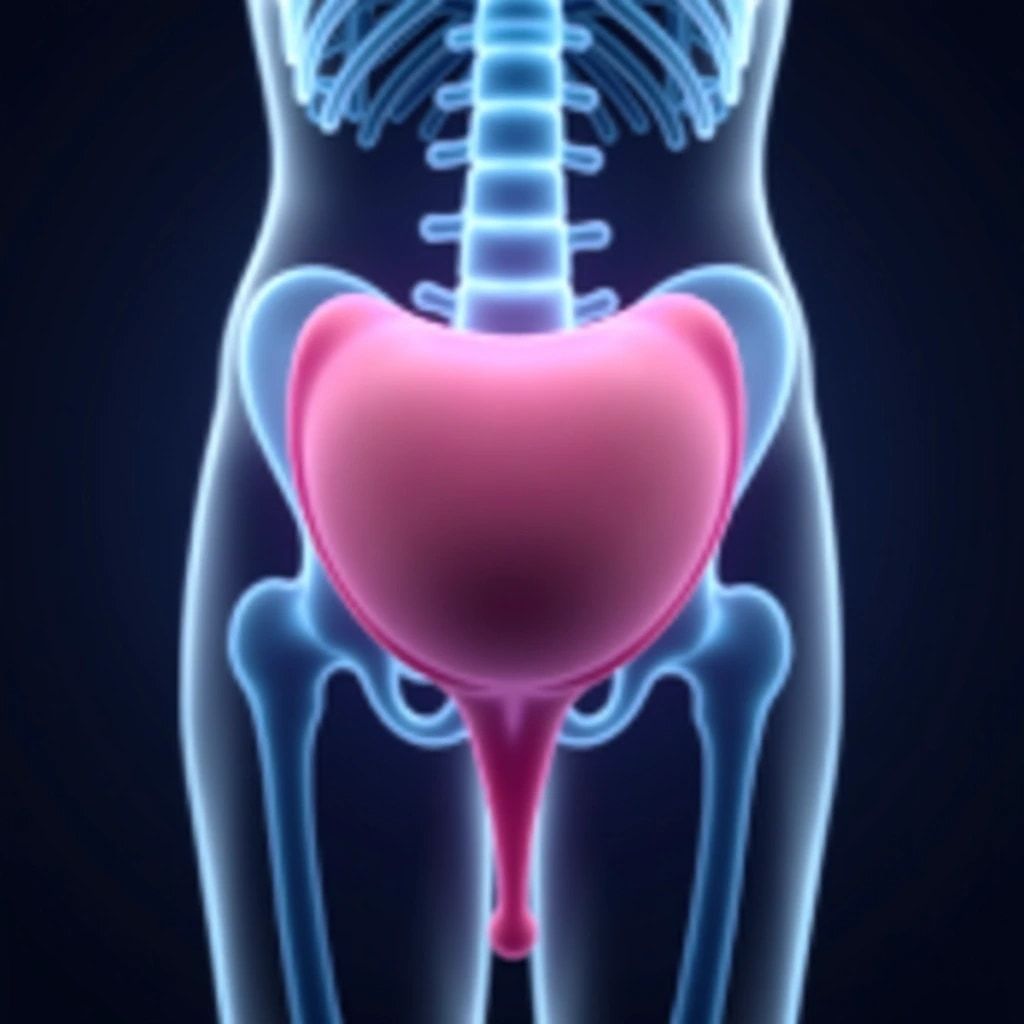
Benign Prostatic Hyperplasia (BPH), also called benign prostatic enlargement (BPE) or lower urinary tract symptoms (LUTS) due to bladder outlet obstruction, is one of the most common urologic conditions treated in adult men. Coding and reimbursement are driven primarily by symptom severity, diagnostic evaluation, and the type of intervention performed. This page covers the most commonly billed interventional pathways: UroLift® (prostatic urethral lift), Rezūm™ (water vapor thermotherapy), TURP (transurethral resection of the prostate), Aquablation® (robotic waterjet ablation), and prostatic artery embolization (PAE).
- Evaluation of lower urinary tract symptoms (LUTS)
- Diagnostic cystoscopy and uroflowmetry
- UroLift® prostatic urethral lift and Rezūm™ water vapor thermotherapy
- TURP and Aquablation® robotic waterjet ablation
- Prostatic artery embolization (PAE)
- Symptom severity: LUTS severity and impact on quality of life (IPSS score when available)
- Failed medical therapy: failure or intolerance of medication therapy before surgery
- Objective findings: prostate size and obstruction findings
- Diagnostics: uroflowmetry, cystoscopy, or ultrasound results supporting obstruction
- ICD-10: N40.0 / N40.1 (with LUTS); N13.8 when obstruction is documented
- UroLift®: 52441 + 52442 (each additional implant) | Rezūm™: 53854
- TURP: 52601 | Aquablation®: 52597 (replaces deleted 0421T) | PAE: 37243
- Missing documentation of symptom severity
- No evidence of failed medical therapy prior to surgery
- Incorrect procedure code for the technology used
- Diagnostic evaluation not documented prior to intervention
Top Questions (quick answers)
What diagnosis code is most commonly used for symptomatic BPH?
N40.1 – Benign prostatic hyperplasia with lower urinary tract symptoms. Add N13.8 when bladder outlet obstruction is documented, and code the documented symptoms (e.g., R35.0 frequency, R35.1 nocturia, R33.8 retention).
What code is reported for Aquablation® — is it still 0421T?
No. Category III code 0421T was deleted December 31, 2025. Report Category I code 52597 for dates of service on or after January 1, 2026. (Note: 52649 is laser enucleation of the prostate — a different procedure.)
What is the most common surgical procedure for BPH?
52601 – Transurethral resection of the prostate (TURP).
How are UroLift® implants reported?
52441 for the first implant and add-on code 52442 for each additional implant placed at the same session. Do not append modifier 51 to the add-on code.
What documentation supports surgical treatment?
Document LUTS severity, diagnostic findings confirming obstruction, and failure or intolerance of medical therapy.
What drives treatment selection for BPH?
Treatment decisions are typically based on symptom severity, prostate size, patient preference, and response to medication therapy.
When is surgery considered medically necessary?
Common indications include urinary retention, severe LUTS, recurrent urinary tract infection, bladder stones, renal insufficiency, or failure of medication therapy.
What diagnostics are commonly performed before intervention?
Evaluation may include uroflowmetry, post-void residual testing, cystoscopy, ultrasound, or urodynamic testing depending on clinical context.
Are cystoscopy services bundled with BPH procedures?
Many transurethral procedures include cystoscopy in the code descriptor and should not be reported separately unless a distinct diagnostic service is documented.
What level of E/M is a routine BPH medication follow-up?
A follow-up for BPH managed as a stable chronic illness with documented prescription drug management typically supports a level 4 established visit — but only if the note shows the management discussion (drug, dose, response, risks/benefits, decision to continue), not just "refill given." Payers are auto-downcoding E/M claims and dismissing addenda added after a records request, so get the documentation right the first time.
How is prostatic artery embolization (PAE) coded?
37243 (vascular embolization or occlusion, for tumors, organ ischemia, or infarction) is the primary code for PAE. Reporting 37242 in addition is appropriate only when the documentation clearly supports treatment of a separate arterial territory — see the audit note under Other Considerations.